Branding Bridgerton: The Marketing of a Regency-Era Sensation
Branding Bridgerton: The Marketing of a Regency-Era Sensation
By Hailey Price
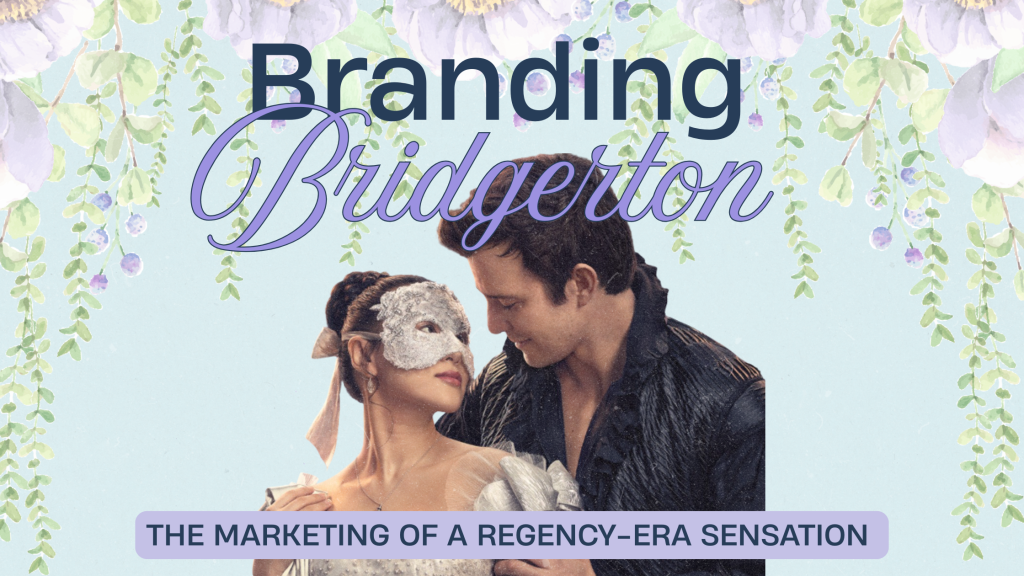
Illustration by Eliza Hodges
Ornate ball gowns, gold-gilded furniture, and intricate florals - all essential elements of the
Regency-era Netflix hit Bridgerton. The show that swept millions of viewers across the globe
into an immersive high-society experience has just released its fourth season, and with it, an
incredible marketing strategy. Bridgerton utilizes captivating detail, targeted and consistent
content, and authentic messaging to effectively position the brand as attractive and culturally
relevant.
Every prop, costume, and impractical yet mesmerizing hairstyle in Bridgerton is unmistakably
Bridgerton, and the features of the detailed world can instantly be identified by any fan. The
immersive experience extends to the entire brand, from intricately designed collaborations to
flawless social media compositions to entire Regency balls as press tours. Character personas are
expanded to events beyond the actual show, with lavish gowns and sparkling accessories styled
to maintain the glamorous ambiance.
In an age of increasingly minimalist, bland, and simply boring atmospheres, Bridgerton’s
fantastical detail stands out. Every carefully crafted, excessively ornate element draws viewers
into the show and the brand. The romanticized aesthetics and elegance of the world are alluring
to all viewers and offer a sense of idealistic escapism.
The show’s social media also reflects this, as if the characters themselves are running the
account. The marketing team began a consistent output of content five months before Season 4’s
release and continued to increase their posting frequency. Most recently debuted is a series of
character mini monologues, little teasers of personality and background details for viewers to
enjoy.
Another specialty of Bridgerton’s strategists: they know their audience. Predominantly Gen Z
and millennial women, viewers are dedicated with sustained interest across seasons. The brand
targets this demographic perfectly with stunning visuals and consistent, authentic messaging.
Both pre- and post-release, social media content included frequent behind-the-scenes clips and
cast interviews. Gen Z loves watching these types of “secret” information reveals and what goes
into producing their favorite content. Genuine, lighthearted interviews with the cast allow insight
into their personalities and create a close, personal connection with viewers.
Bridgerton also excelled at leveraging influencers and brand partnerships. The most extensive
collaboration was with Dove, releasing a line of 18 products from soap to perfume, with
perfectly on-brand elaborate packaging and marketing. They utilized PR packages and social
media influencers as part of a “Let Them Talk” campaign pushing Dove’s core positive
messaging about beauty, confidence, and individuality among women, backed by Bridgerton’s
feminist undertones. The initiative primarily included micro-influencers with less than 500k
followers for a niche campaign aimed at Gen Z females.
The results of these branding efforts speak for themselves. The first half of Season 4 garnered
over 39.7 million views in four days, becoming the most-watched title on Netflix during the last
week of January. Viewership stayed strong the second week of streaming with 23.4 million
views.
The effects of the split-season release, with nearly a month separating the two halves of Season
4, are yet to be seen. Split-season strategies have mixed reviews. From an audience standpoint,
drawn-out anticipation creates an unenthusiastic sentiment, but it also promotes discussion and
collective eager suspense.
Overall, Bridgerton’s marketing strategy is as elegant and polished as the actual series, creating
an authentic atmosphere around the brand and fostering a loyal audience. The romanticized,
glamorous world is beloved by millions, and as the show and its first-class marketing continue,
Bridgerton can only attract more dear readers, or rather, viewers.